Flower Bed Creation in Havering: How to Design Beautiful, Lasting Outdoor Spaces
Creating a beautiful outdoor space starts with thoughtful planning, and flower bed creation in Havering is one of the most effective ways to transform a garden from plain to polished. Whether you want a neat front border, a cottage-style display, or a modern planted feature, the right flower beds can add colour, structure, and year-round interest to your property. In Havering, where gardens range from compact urban plots to larger suburban spaces, flower bed design can be tailored to suit every style and size of garden.
Well-planned flower bed creation is not just about planting flowers. It is about understanding soil, sunlight, drainage, plant combinations, seasonal timing, and maintenance needs. A successful bed should look attractive in spring, summer, autumn, and even winter. By choosing the right layout and plant palette, you can create a garden feature that feels balanced, practical, and visually appealing. For homeowners in Havering, this often means combining beauty with low-maintenance planting that works with local conditions.
If you are thinking about improving your garden, flower bed creation in Havering offers a simple but powerful way to make a lasting impact. From border preparation to planting schemes and ongoing care, every stage matters. With the right approach, you can build a flower bed that boosts kerb appeal, supports pollinators, and gives you a space to enjoy throughout the seasons.
Why Flower Bed Creation Matters in Havering
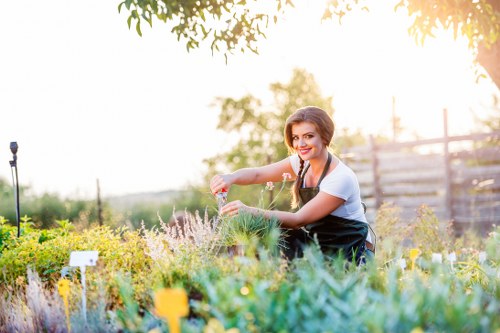
Havering gardens often benefit from features that add depth and visual structure, and flower bed creation plays a major role in achieving that effect. A carefully designed bed can soften hard landscaping, frame pathways, highlight entrances, and create focal points in otherwise open spaces. In many cases, even a small planted area can make a property feel more welcoming and refined.
Another reason flower bed creation in Havering is so popular is its flexibility. It can be adapted to suit front gardens, rear gardens, side passages, communal areas, and boundary edges. Some homeowners prefer formal beds with tidy shapes and repeated planting, while others like looser, more natural arrangements. Either way, the right flower bed can reflect the character of the home while improving the overall garden layout.
There is also a practical benefit. Healthy flower beds can help define spaces, reduce unused lawn areas, and make maintenance more manageable. By selecting plants that suit local conditions, you can create a display that looks impressive without becoming overly demanding. That is especially useful for busy households who want a beautiful garden without spending every weekend on upkeep.
Planning a Flower Bed Design That Works
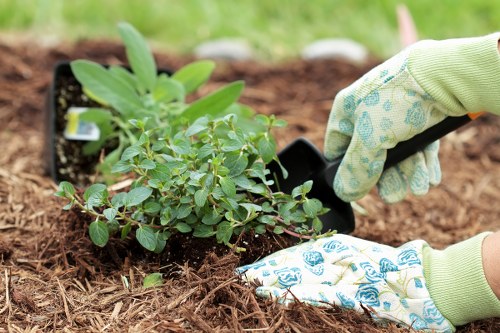
Good flower bed creation begins with a plan. Before any digging starts, it is important to understand the size of the area, the amount of sunlight it receives, and the type of soil present. These factors influence which plants will thrive and how the bed should be shaped. A well-planned design reduces future problems and helps create a more cohesive result.
In Havering, where gardens may vary from sheltered spaces to more exposed plots, it is wise to consider wind, shade, and drainage before choosing your planting scheme. South-facing areas usually suit sun-loving blooms, while north-facing or shaded corners may need plants that tolerate lower light levels. The shape of the flower bed also matters. Curved edges can soften a garden, while straight lines may suit a modern or structured look.
It is helpful to think about height, texture, colour, and seasonality together. A successful flower bed creation in Havering often combines tall plants at the back, medium-height varieties in the middle, and lower-growing plants at the front. This layering creates depth and ensures each plant can be seen clearly. When done well, the bed feels balanced and visually interesting from every angle.
Choosing the Best Plants for Havering Gardens
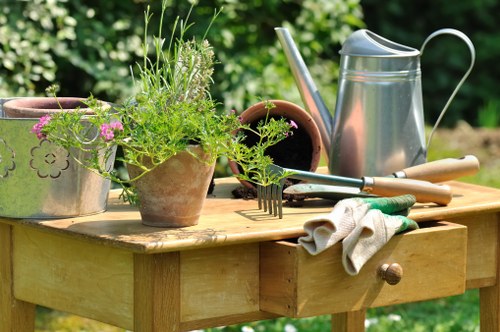
The best flowers and shrubs for your bed will depend on the exact conditions in your garden, but there are many excellent choices for local planting schemes. When planning flower bed creation in Havering, it is useful to select a mixture of seasonal plants, evergreen structure, and pollinator-friendly species. This keeps the bed looking good for longer and adds ecological value.
Popular choices for flower beds in Havering often include lavender, salvia, geraniums, hydrangeas, heuchera, roses, and ornamental grasses. These plants can create a varied display with colour and texture across the year. Spring bulbs such as tulips, daffodils, and crocuses can provide early interest, while late-summer perennials extend the display well into autumn. Evergreen shrubs add form during the colder months, helping the bed stay attractive even when flowers are sparse.
When selecting plants, it is wise to think beyond appearance alone. Plants should suit your soil type and maintenance preferences. For example, drought-tolerant plants are ideal for sunny beds with less frequent watering, while moisture-loving species may work better in damper areas. A thoughtful mix of plants ensures your flower bed remains attractive, resilient, and easy to manage.
Planting combinations that work well
- Sunny beds: lavender, salvia, echinacea, ornamental grasses, and rosemary.
- Shaded beds: hostas, ferns, hellebores, astilbe, and heuchera.
- Season-long colour: combine spring bulbs, summer perennials, and autumn interest plants.
- Low-maintenance options: hardy shrubs, mulch, and long-flowering perennials.
Preparing the Ground for Flower Bed Creation
Before planting begins, the ground must be prepared properly. This is one of the most important steps in flower bed creation in Havering because the condition of the soil directly affects plant health. A poor foundation can lead to drainage issues, weak growth, and more maintenance later on. By taking time at the start, you improve the chances of long-term success.
The first stage is usually clearing the area. This involves removing existing turf, weeds, stones, and debris. Once the space is cleared, the soil should be loosened and improved if necessary. Many gardens benefit from added compost or well-rotted organic matter, which helps improve soil structure and nutrient levels. If the soil is very heavy or compacted, extra attention may be needed to improve drainage.
It is also a good idea to check the bed’s edge lines before planting. Clean borders help define the space and make the final result look more polished. Whether you are working with brick edging, timber, stone, or a simple cut edge, neat boundaries contribute to the professional appearance of the finished bed. Flower bed preparation is about building the right foundation for healthy growth.
Key preparation tasks
- Remove weeds, turf, and any old planting material.
- Test and improve the soil if needed.
- Loosen compacted ground for stronger root growth.
- Level the surface and define the bed edges.
- Add compost or mulch to enrich the planting area.
Design Styles for Flower Bed Creation in Havering
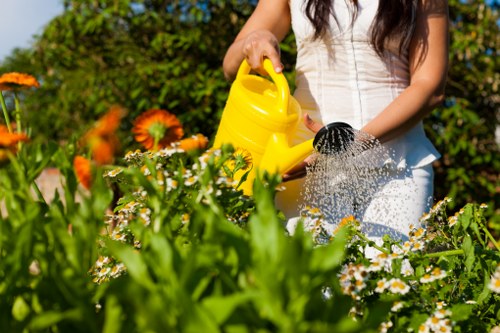
There is no single correct style for flower bed creation in Havering. The best design is the one that suits your home, your garden layout, and your personal taste. Some homeowners prefer formal beds with symmetry and repetition, while others want a softer, more natural effect. Both approaches can work beautifully when the planting is well thought out.
Formal flower beds often use clipped hedges, consistent spacing, and a limited colour palette. This style is particularly effective in front gardens or homes with a traditional look. In contrast, informal beds may include a wider mix of plant types, varied heights, and more flowing shapes. These can be ideal for family gardens or spaces that aim for a relaxed, wildlife-friendly feel.
Raised beds are another popular option. They can improve drainage, make maintenance easier, and provide a strong visual feature. For smaller gardens in Havering, raised flower beds can be a smart way to create planting space without overwhelming the area. They also help separate different parts of the garden, such as seating zones, lawns, or pathways.
Popular flower bed design approaches
- Traditional borders: neat, structured, and suitable for classic homes.
- Cottage-style beds: densely planted, colourful, and full of seasonal charm.
- Modern minimalist beds: bold shapes, limited plant varieties, and clean lines.
- Wildlife-friendly beds: nectar-rich flowers, layered planting, and habitat value.
Seasonal Considerations for Flower Bed Success
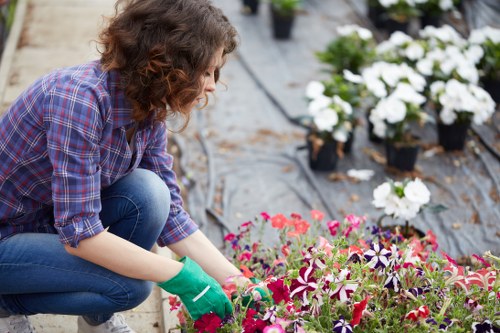
One of the most valuable parts of flower bed creation in Havering is planning for every season. A bed that looks wonderful in summer but empty in winter will not provide year-round interest. To avoid this, it is best to include a mix of plants that perform at different times of the year. This allows the bed to change naturally as the seasons move on while still remaining attractive.
Spring is the season of renewal, making it ideal for bulbs, early perennials, and fresh new growth. Summer often brings the most vibrant colour, with roses, salvias, and other flowering plants taking centre stage. Autumn is a good time for textured planting, seed heads, and warm-toned foliage. Winter may be quieter, but evergreen shrubs, architectural grasses, and carefully chosen structure plants can keep the bed looking smart.
For many homeowners, the best approach is to design flower beds with a strong seasonal rhythm. This means combining plants that bloom at different times so there is always something of interest. It is a practical and attractive strategy that keeps your garden engaging while reducing the risk of bare or lifeless areas.
Low-Maintenance Flower Bed Ideas
Not everyone has the time or desire to maintain a high-maintenance planting scheme. Fortunately, flower bed creation in Havering can be adapted to suit low-maintenance lifestyles. By choosing the right plants and materials, you can create a beautiful bed that stays manageable throughout the year.
Perennials are often a smart choice because they return each year and require less replanting. Hardy shrubs also provide structure with limited effort. Adding mulch around plants can help suppress weeds, retain moisture, and reduce the need for frequent watering. Drip irrigation or targeted watering systems can also be helpful in larger beds or during dry periods.
Another useful strategy is to group plants with similar needs together. This makes care simpler and more efficient. For example, drought-tolerant plants can be placed in one area, while shade-loving varieties are grouped elsewhere. Low-maintenance flower beds can still look polished and colourful; they simply rely on thoughtful plant selection and a smart layout.
Low-maintenance planting tips
- Choose hardy perennials and evergreen shrubs.
- Use mulch to limit weed growth and conserve moisture.
- Group plants with similar watering needs.
- Select varieties that suit your soil and light levels.
- Avoid overcrowding, which increases maintenance later.
Improving Kerb Appeal with Front Garden Flower Beds
Front garden beds are often the first thing people see, so they have a major impact on kerb appeal. A tidy, colourful planting scheme can make a property feel more welcoming and well cared for. For this reason, flower bed creation in Havering is especially valuable in front gardens where presentation matters most.
When designing a front garden bed, simplicity and structure are often the best approach. Repeated planting, neat edging, and a balanced colour scheme can create a smart, appealing look. Low-growing plants near pathways and taller feature plants near walls or fences help maintain visibility and space. It is important to avoid layouts that feel crowded, as a front garden usually benefits from clarity and order.
Adding a flower bed to a front garden can also soften driveways, break up paving, and create a more natural feel. Even a narrow border along a fence or wall can dramatically improve the appearance of the property. For many homeowners, this makes flower bed creation a worthwhile investment in both style and outdoor enjoyment.
Supporting Wildlife Through Thoughtful Planting
Many gardeners in Havering want beds that are not only attractive but also supportive of local wildlife. With the right plant choices, flower bed creation can help bees, butterflies, and other pollinators thrive. This is an increasingly popular approach because it combines beauty with environmental value.
Pollinator-friendly flowers such as lavender, foxgloves, verbena, echinacea, and buddleia can add colour while providing nectar. Including a range of flower shapes and bloom times can make the bed useful to wildlife throughout the season. Native plants can also be beneficial, especially when combined with sheltered planting and a variety of heights.
It is a good idea to avoid overusing highly processed or artificial materials in wildlife-focused beds. Instead, aim for natural planting combinations, organic mulch, and some areas of softer structure. A garden that welcomes wildlife often becomes more lively and rewarding to spend time in, making flower bed creation in Havering both practical and environmentally conscious.
Helpful wildlife-friendly additions
- Nectar-rich flowers for bees and butterflies.
- Water sources such as shallow bird baths.
- Dense planting for shelter and cover.
- Seasonal flowers to extend food availability.
- Native shrubs and perennials where suitable.
Common Mistakes to Avoid
Even well-intentioned flower bed projects can run into problems if the basics are overlooked. One of the most common mistakes is choosing plants without checking whether they suit the site. A sun-loving plant placed in shade, or a moisture-loving plant in dry soil, is unlikely to perform well. That is why plant selection is such a key part of flower bed creation in Havering.
Another issue is overcrowding. It can be tempting to plant too many varieties in a small space, but this often leads to competition, poor airflow, and maintenance issues later on. It is better to leave enough room for plants to grow into their final size. Similarly, failing to prepare the soil properly can cause long-term disappointment, especially where the ground is compacted or depleted.
A third mistake is neglecting seasonal planning. A bed that relies on just one burst of colour can quickly lose appeal. Strong flower bed design should include structure, variation, and progression through the year. By avoiding these mistakes, you improve the chances of creating a space that is both attractive and sustainable.
Maintaining a Flower Bed Through the Year
Once the bed is planted, ongoing maintenance keeps it looking its best. Regular care does not have to be difficult, but it should be consistent. In many Havering gardens, a well-maintained flower bed can remain tidy and vibrant with relatively modest effort. The main tasks include weeding, watering, deadheading, pruning, and refreshing mulch when needed.
Watering is especially important during the first few weeks after planting, when roots are settling in. Later, established beds may need less frequent watering, depending on weather and plant type. Deadheading spent flowers can encourage more blooms and keep the bed looking neat. Seasonal pruning and cutting back also help maintain shape and prevent overcrowding.
Mulching once or twice a year is one of the easiest ways to support healthy flower beds. It helps retain moisture, suppress weeds, and improve soil quality over time. This makes it a valuable part of long-term flower bed creation and maintenance in Havering. A little regular care can make a big difference to the appearance and performance of your garden.
Simple maintenance checklist
- Check plants weekly for weeds and pests.
- Water new plants thoroughly until established.
- Deadhead flowers to encourage repeat blooming.
- Refresh mulch to support soil and reduce weeds.
- Prune and cut back at the right seasonal times.
Why Professional Flower Bed Creation Can Be Worth It
While some homeowners enjoy creating beds themselves, professional help can save time and improve results. A skilled landscaper or gardener brings experience in design, planting, soil improvement, and layout. This is particularly useful where a garden has tricky conditions, unusual shapes, or a clear design goal. For those who want a polished finish, flower bed creation in Havering can benefit greatly from expert input.
Professionals can also help you avoid expensive mistakes, such as unsuitable planting, poor drainage, or inefficient use of space. They can recommend plants that suit your preferences while working well in local conditions. Whether you want a low-maintenance border, a decorative focal feature, or a wildlife-friendly bed, the right support can make the process smoother and more effective.
For busy homeowners, professional flower bed creation can also reduce the stress of planning and installation. Instead of guessing which materials to use or how to arrange plants, you can rely on a clear, structured approach. If you want your outdoor space to look its best, book your service now and take the next step toward a more attractive garden.
Creating Lasting Value for Your Garden
Flower beds are more than decorative features. They are an investment in the overall look, feel, and function of your outdoor space. In Havering, where gardens often play an important role in family life and property presentation, well-designed planting can deliver long-term value. A successful flower bed improves aesthetics, supports biodiversity, and creates a more enjoyable setting for daily life.
Good flower bed creation in Havering also gives your garden a sense of purpose. Instead of having unused edges or empty patches of lawn, you gain structure and colour that tie the whole space together. This can make even a modest garden feel more complete. Whether you are improving a front garden, refreshing a border, or starting from scratch, the right flower bed can transform the experience of being outdoors.
If you are ready to improve your garden, now is the ideal time to plan your planting scheme and move forward with confidence. Contact us today to take the next step, and create a flower bed that brings beauty, structure, and seasonal charm to your Havering property.

